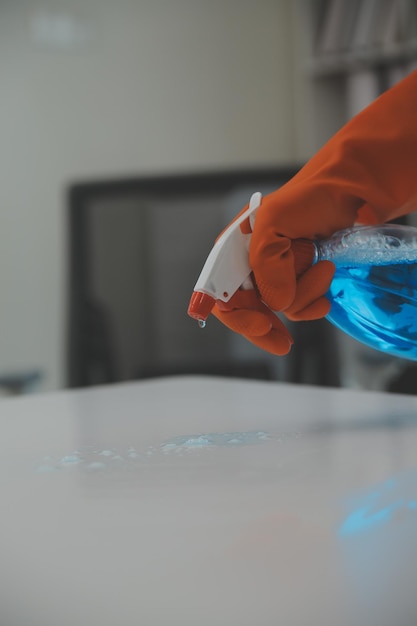
Results from professional cleaning services across Indonesian facilities

Measurable Impact Across Your Operations

When cleaning services work consistently across all locations, organizations notice the difference in facility presentation, operational efficiency, and administrative simplicity.

Return Home

Where Organizations See Improvement

Brand Consistency

Facilities across different cities maintain the same presentation standards. Visitors experience uniform cleanliness whether they're in Jakarta, Surabaya, or Bandung, reinforcing brand perception through consistent environmental quality.

Administrative Efficiency

Managing one vendor relationship instead of multiple providers reduces coordination time. Organizations report fewer hours spent on cleaning vendor management, simplified billing processes, and streamlined issue resolution.

Quality Reliability

Performance monitoring systems ensure standards remain consistent over time. Facilities maintain cleanliness levels month after month through regular assessment protocols and standardized procedures.

Compliance Documentation

Technical facilities receive proper documentation for cleaning activities. Data centers maintain contamination control records, retail spaces document presentation standards compliance, creating audit trails where needed.

Staff Environment

Employees work in consistently maintained environments. Clean facilities contribute to workplace satisfaction, and organizations notice this reflected in operational atmosphere across all locations.

Operational Visibility

Centralized reporting provides oversight of cleaning operations across all facilities. Organizations can track service delivery, identify patterns, and make informed decisions about facility maintenance strategies.

Performance Indicators

94%
Client Retention Rate

Organizations continue service year over year

156
Active Facilities

Locations maintained across Indonesia

87%
Administrative Time Reduction

Reported by multi-location clients

18
Indonesian Cities

Geographic service coverage

What the Numbers Represent

These metrics reflect our service delivery across different facility types and locations. The retention rate indicates that organizations find value in maintaining long-term cleaning relationships rather than frequently changing providers.

Administrative time reduction comes from organizations no longer managing multiple vendor contracts, coordinating separate billing cycles, or addressing issues through different contact points for each city. Single-point management creates efficiency.

Geographic coverage demonstrates our ability to deliver consistent service across Indonesia's archipelago. Whether facilities are in major metropolitan areas or secondary cities, the same protocols and standards apply.

Methodology in Practice

These scenarios demonstrate how our approach addresses different facility challenges. Each example shows the application of our methodology rather than individual client stories.

Multi-Location Retail Chain Standardization

Challenge

Retail organization with 12 locations across 6 cities experienced varying cleanliness standards. Each store contracted local cleaning services independently, resulting in inconsistent brand presentation and administrative complexity.

Approach Applied

Implemented centralized management with standardized protocols for all locations. Developed retail-specific cleaning schedules around store hours. Established uniform quality assessment procedures across all facilities.

Results Achieved

All locations maintained consistent presentation standards within 60 days. Administrative contact reduced from 12 vendor relationships to one. Monthly performance reporting provided visibility across entire retail footprint.

Key Learning: Retail environments benefit from consistent scheduling approaches that accommodate customer traffic patterns while maintaining presentation standards across all locations.

Data Center Contamination Control Implementation

Challenge

Financial institution with data centers in Jakarta and Surabaya needed cleaning services that understood ESD protocols and contamination control. Previous providers lacked technical facility expertise and proper documentation.

Approach Applied

Deployed teams trained in data center cleaning protocols. Implemented raised floor maintenance procedures and equipment surface care protocols. Established documentation system for compliance requirements.

Results Achieved

Both facilities maintained to contamination control standards. Complete documentation provided for audit purposes. Minimal operational disruption through scheduled maintenance during designated windows.

Key Learning: Technical facilities require specialized knowledge and documentation capabilities. Standard cleaning approaches don't address the specific requirements of controlled environments.

Corporate Office Network Coordination

Challenge

Technology company with offices in 8 Indonesian cities struggled to maintain uniform standards. Local facility managers each handled their own cleaning arrangements, creating variation in service quality and administrative burden on headquarters.

Approach Applied

Centralized all cleaning services under single management structure. Standardized service protocols while allowing flexibility for local office hours. Implemented monthly reporting to headquarters with performance metrics from all locations.

Results Achieved

Headquarters gained operational visibility through unified reporting. Local facility managers freed from vendor management responsibilities. Consistent service quality across all office locations within 90 days.

Key Learning: Centralized management doesn't mean rigid standardization. Effective coordination allows for local adaptation within unified quality framework.

Typical Progress Pattern

1

First 30 Days: Assessment and Setup

Initial facility assessments occur across all locations. Teams familiarize themselves with each facility's specific requirements, operational hours, and access procedures. Baseline quality standards are established and documented.

Organizations typically notice improved communication and responsiveness compared to previous arrangements. Single point of contact begins streamlining coordination.

2

60-90 Days: Standardization Phase

Service protocols become consistent across all facilities. Any initial adjustments are made based on facility-specific needs while maintaining overall standards. Regular performance monitoring begins providing data on service delivery.

Visible consistency emerges between locations. Organizations report reduced time spent on cleaning-related administration and issue resolution.

3

6 Months: Optimization Period

Performance data informs refinements to service delivery. Scheduling optimizations occur based on observed facility usage patterns. Documentation systems mature, providing comprehensive operational visibility.

Organizations experience full benefit of centralized management. Brand consistency across locations becomes established norm rather than ongoing challenge.

4

12+ Months: Sustained Performance

Service delivery operates as established system requiring minimal oversight. Quarterly reviews ensure standards remain consistent. Organizations focus on their core business while facility cleanliness maintains expected levels across all locations.

Long-term relationships develop. Organizations add new locations to existing service framework rather than seeking new cleaning arrangements.

Sustained Benefits

Organizations working with us over multiple years report that the initial improvements in consistency and administrative efficiency continue rather than diminishing over time. This occurs because our systems are designed for sustainability rather than relying on constant manual intervention.

Operational Integration

Cleaning services become integrated into facility operations rather than remaining separate vendor relationships. Teams understand each location's rhythms, requirements, and expectations. This familiarity contributes to smooth ongoing service delivery without constant management attention.

Standard Maintenance

Facilities maintained consistently over time require less intensive intervention. Regular cleaning prevents buildup that would necessitate deep restoration work. Organizations find that facilities remain in good condition year after year through consistent maintenance protocols.

Relationship Development

Long-term service relationships allow deeper understanding of organizational needs. As we learn more about how facilities are used, service delivery can be refined. Organizations benefit from working with cleaning teams who understand their specific requirements and operational context.

Scalability

When organizations add new locations, integrating them into existing cleaning arrangements becomes straightforward. New facilities adopt established protocols rather than requiring separate service development. Geographic expansion doesn't create proportional increases in facility management complexity.

Sustainability Framework

Systematic Quality Control

Regular assessments occur independent of client requests. Our internal monitoring identifies potential issues before they become noticeable problems. This proactive approach maintains consistent standards without requiring constant client oversight.

  • Scheduled facility inspections
  • Performance documentation
  • Corrective action protocols

Team Consistency

Assigning consistent teams to facilities builds familiarity with each location's requirements. Team members learn facility layouts, access procedures, and specific cleaning priorities. This continuity contributes to reliable service delivery.

  • Dedicated facility assignments
  • Ongoing training programs
  • Backup team availability

Documented Protocols

Written procedures ensure service delivery doesn't depend on individual knowledge. Standardized protocols can be followed consistently regardless of team composition, creating reliability across all facilities and time periods.

  • Facility-specific procedures
  • Quality checklists
  • Service level agreements

Communication Systems

Established channels for feedback and issue resolution prevent small concerns from becoming larger problems. Regular communication maintains alignment between service delivery and organizational expectations.

  • Monthly performance reports
  • Responsive support contact
  • Quarterly service reviews

Demonstrated Expertise

Our track record across Indonesian facilities reflects consistent application of coordinated cleaning methodologies. Organizations operating in multiple cities face unique challenges that standard cleaning services don't address. We've developed systems specifically for multi-location coordination, bringing together centralized management with local execution.

Technical facility cleaning requires specialized knowledge beyond general commercial cleaning. Data centers need contamination control protocols, ESD awareness, and proper documentation. Retail environments demand presentation standards and flexible scheduling around customer hours. Our teams understand these distinctions and apply appropriate procedures to each facility type.

The administrative efficiency our clients report comes from structural service design rather than simply working harder. Single-point contact, unified reporting, and standardized protocols create inherent efficiency. Organizations reduce the time their staff spends on cleaning vendor management because the coordination complexity is handled through our systems.

Geographic coverage across 18 Indonesian cities demonstrates operational capability beyond Jakarta and major metropolitan areas. Facilities in secondary cities receive the same standards and protocols as those in primary business centers. This consistency matters for organizations whose operations span diverse locations throughout the archipelago.

Long-term client relationships indicate sustained value delivery. The 94% retention rate reflects organizations continuing service year after year. When cleaning arrangements work well, organizations maintain them rather than seeking alternatives. This continuity benefits both parties through developed understanding and operational familiarity.

Explore How This Applies to Your Facilities

These results reflect our approach across different facility types and locations. If you're managing multiple Indonesian facilities and looking for more consistent cleaning arrangements, we can discuss how our methodology might address your specific situation.

Discuss Your Facilities